 Best Fabricators
Metal fabrication in Baltimore, MD
Looking for metal fabricators near you in the Baltimore–Columbia–Towson area? Here is what local industry builds, where fabrication work clusters, the code rules to know, and how to vet a shop for custom metal fabrication. Last reviewed November 11, 2026.

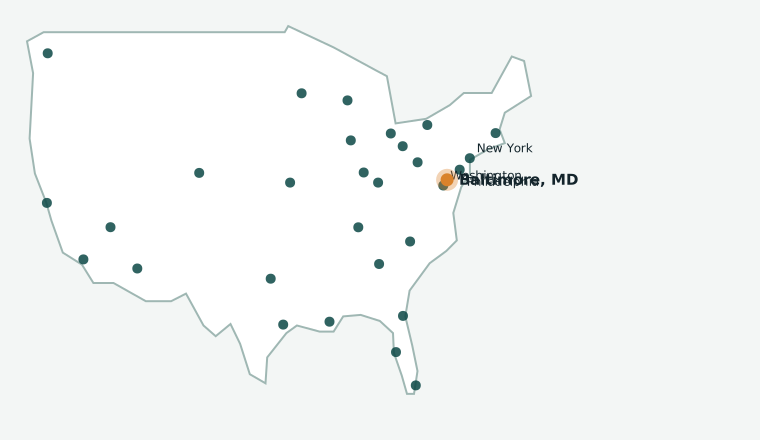
What the Baltimore market builds
The Port of Baltimore handles cars, roll-on/roll-off cargo, and bulk goods, and the waterfront around Sparrows Point was once home to one of the largest steel mills in the country. Today defense electronics near BWI Airport, hospitals and life-sciences labs, and rowhouse renovation work keep marine, structural, lab, and ornamental fabrication in demand.
Industries with strong local demand
- Marine and aluminum fabrication in Baltimore
- Structural steel fabrication in Baltimore
- Medical device fabrication in Baltimore
- Architectural metal fabrication in Baltimore
- Aerospace fabrication in Baltimore
Other specialties: Food-grade and sanitary stainless · Oil, gas, and energy · Automotive and racing · Agricultural · Signage and displays · HVAC and sheet metal.
Where fabrication work clusters
Industrial and fabrication work spreads across the metro, including Towson, Glen Burnie, Columbia, Dundalk, Essex, Linthicum, and Catonsville. A shop’s location matters most for large parts, site measuring, and installation; for small precision parts, shipping from elsewhere in the region can work.
Permits and codes
Permitted structural work follows the building code your city or county has adopted. Most U.S. jurisdictions base it on the International Building Code, whose Section 1704.2.5 requires special inspection of fabricated items during fabrication unless the fabricator is approved. Ask whether a shop is AISC certified, and confirm what Baltimore City or your county permits office requires before you order.
Climate and materials
Salt air near the harbor and Chesapeake Bay calls for hot-dip galvanizing, stainless, or marine-grade aluminum outdoors.
How to vet a shop in Baltimore
- Match the shop to the work: ask for photos or drawings of similar marine and aluminum or structural steel jobs.
- Check certifications that fit the job: AISC for structural steel, AWS-qualified welders, and industry standards listed on the industry pages.
- Confirm insurance and whether the shop installs, or only fabricates.
- Visit the shop. Look at the equipment, housekeeping, and work in progress.
- Compare at least three written quotes built on the same drawing and finish spec.
Questions
How do I find metal fabricators near me in Baltimore?
Start with the local industries listed on this page, then shortlist shops that already do that kind of work in the Baltimore–Columbia–Towson area, including Towson, Glen Burnie, Columbia. For structural steel, search the AISC certification directory for Maryland. Visit at least two shops and compare written quotes.
What does custom metal fabrication cost in Baltimore?
Price depends on material, labor hours, finishing, engineering, and installation. Nationally, the Bureau of Labor Statistics reports a May 2025 median wage of $25.84 an hour for welders, cutters, solderers, and brazers; local wages differ, and shop rates include overhead. Get at least three written quotes on the same drawing.
Do I need a permit for fabricated metal work in Baltimore?
Structural items such as stairs, mezzanines, canopies, and sign structures usually need a permit and engineering. Permitted structural work follows the building code your city or county has adopted.